Painting & masters
Altarpieces by Vasco Fernandes (Grão Vasco), the naturalist painting house museum of Almeida Moreira and five generations of artists at the Casa da Calçada.

Choose museums to visit in Viseu and check opening hours and admission conditions.
Choose a museum based on what you would like to see.
The eight municipal museums and the Grão Vasco are closed. The Museu Tesouro da Sé and the Museu da Misericórdia, on the Adro da Sé, and the Silgueiros museum are open.
The eight municipal museums close on Sundays. The Grão Vasco and the Misericórdia are open, and the Tesouro da Sé opens in the afternoon.
Altarpieces by Vasco Fernandes (Grão Vasco), the naturalist painting house museum of Almeida Moreira and five generations of artists at the Casa da Calçada.
Two museums a few metres apart, the only ones that also open on Mondays and Sundays.
Interactive mineralogy and a viewpoint on Monte de Santa Luzia, plus a 10-hectare estate with contemporary art beside the river Pavia.
2,500 years of urban life on Rua Direita, the region's archaeology at the Casa do Miradouro, life on the Pavia in the Ribeira and the linen cycle in the villages.
Eight municipal museums, the national museum, the religious art of the Adro da Sé and the traditions of the villages.
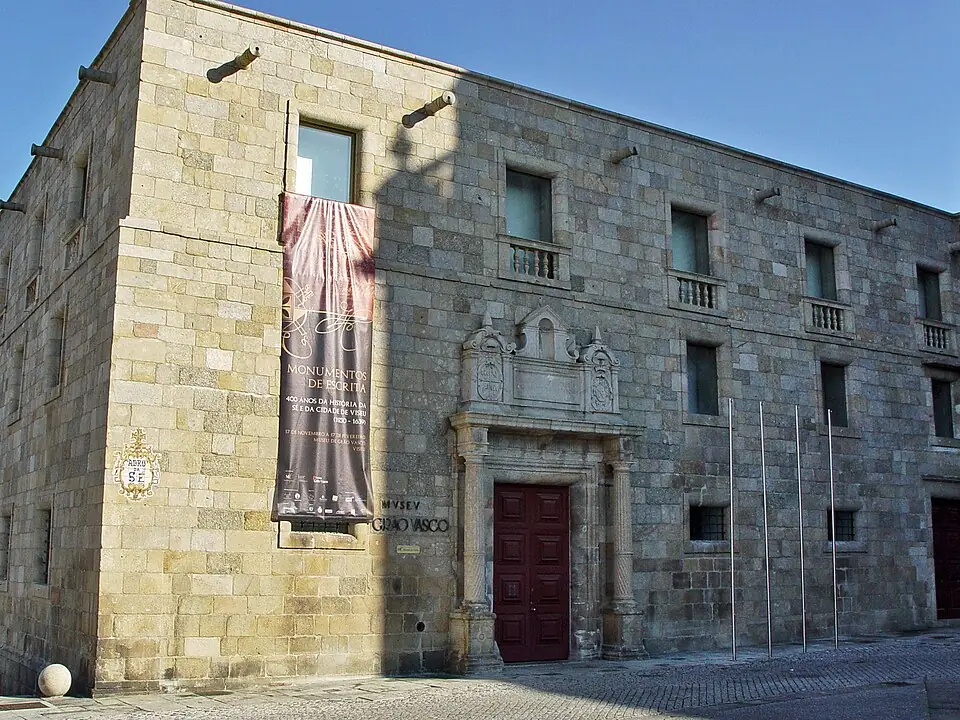
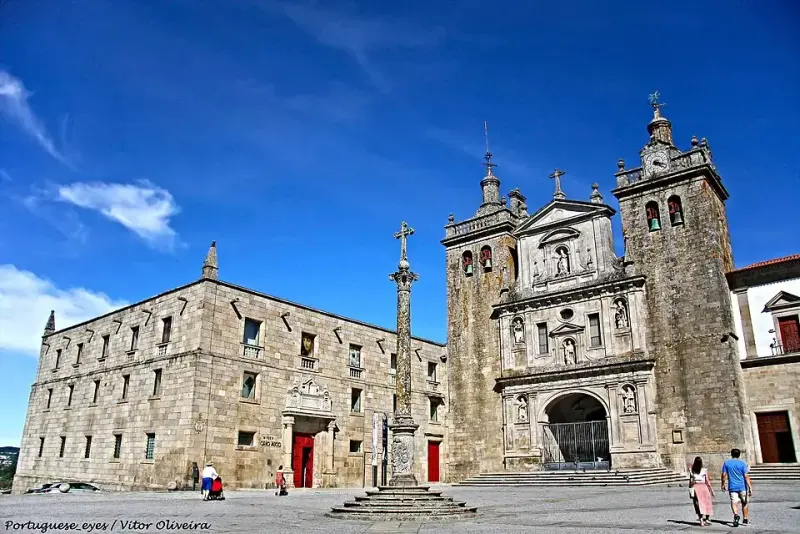
The region's flagship museum, with national museum status. It holds the altarpieces of Vasco Fernandes (Grão Vasco) and of the masters of Viseu's sixteenth-century workshop.
The route through the cathedral takes in the sixteenth-century upper choir, the upper cloister, the chapter house and the canons' walk, with goldsmithing, vestments and sculpture from the twelfth to the twentieth century.

The Santa Casa's museum, in the eighteenth-century church facing the cathedral. More than a hundred pieces on the fourteen works of mercy and the care of the sick.

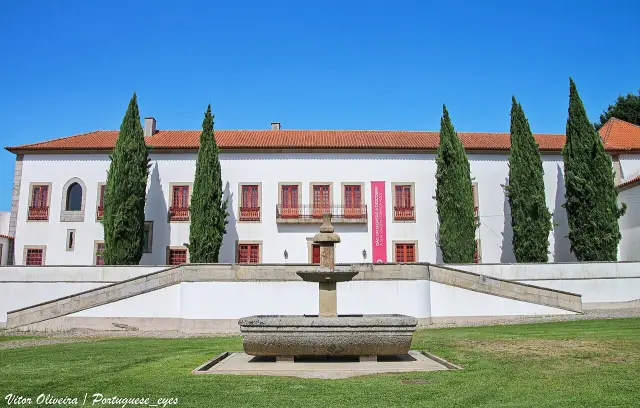
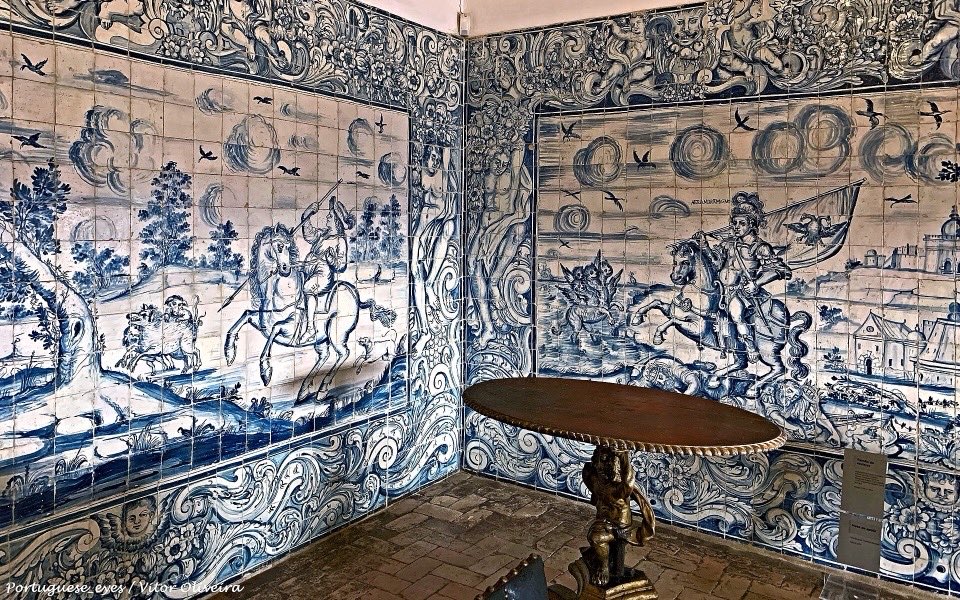
In the Casa da Calçada, a listed 18th-century house, five generations of a family devoted to the arts, among them Alfredo Keil, composer of the national anthem. Illustration, tiles, sculpture, silverwork, models and scores.
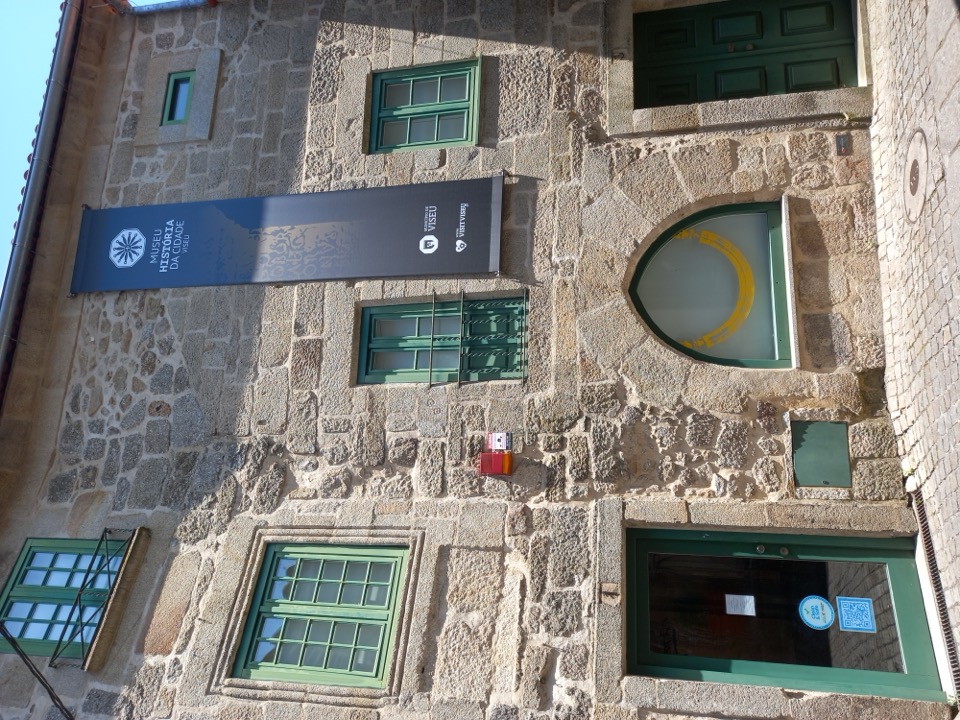
On Rua Direita, Viseu’s medieval thoroughfare. The exhibition “Ícones de Viseu, O Despertar do Museu” explores 2,500 years of the city’s history.

In the Casa do Miradouro, a 16th-century manor house with a garden, the collection of José Coelho, a pioneer of the region's archaeology. Part of the Polo Arqueológico de Viseu António Almeida Henriques.
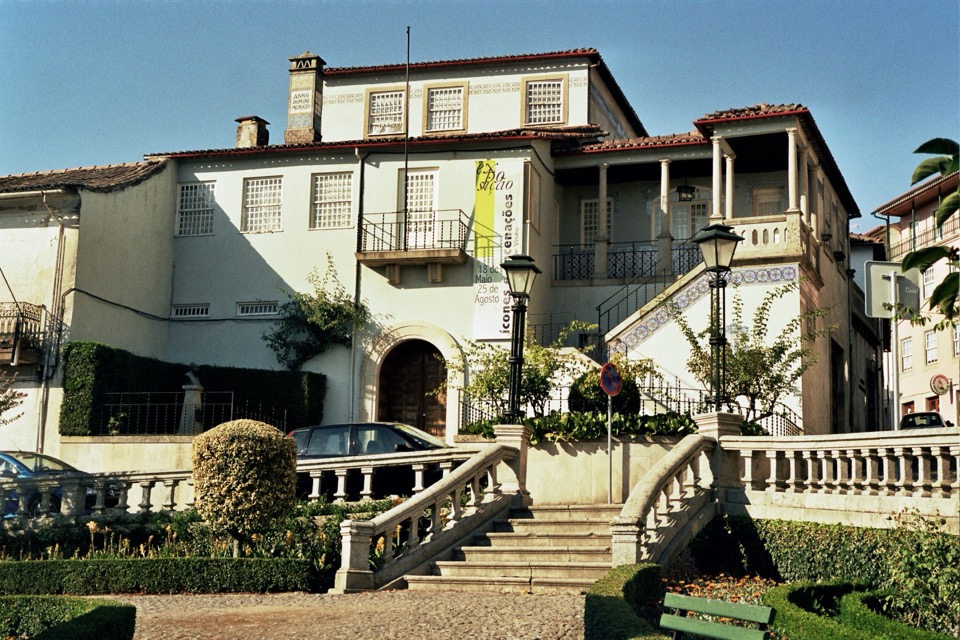
House museum of Francisco Almeida Moreira, founder of the Museu Grão Vasco. Naturalist painting, sculpture, period furniture and Portuguese faience, in a house by the Jardim das Mães.
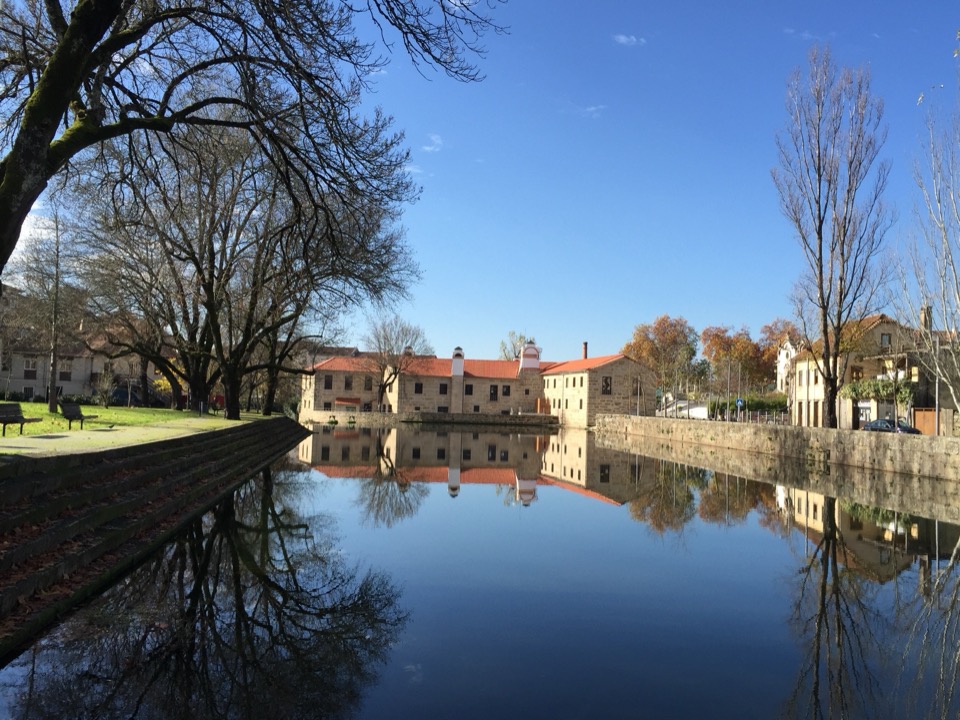
The memory of the river Pavia in the Ribeira, the old mills, the olive press, the washerwomen and the boats, with a space for regional crafts.
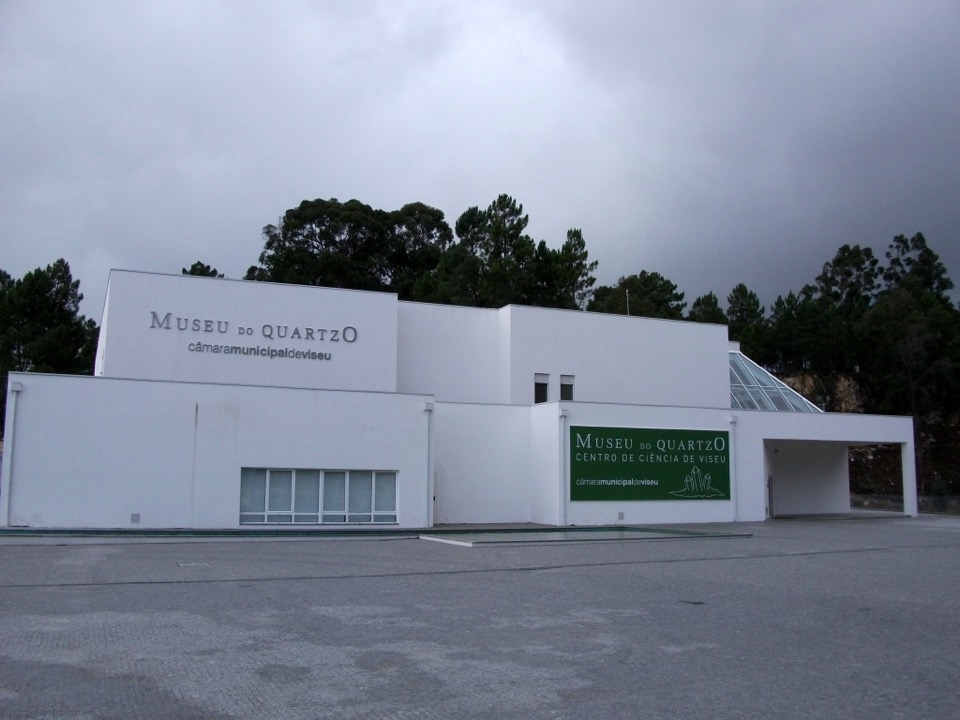
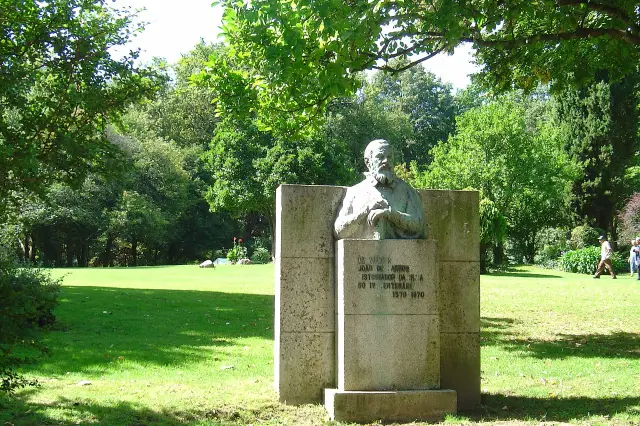
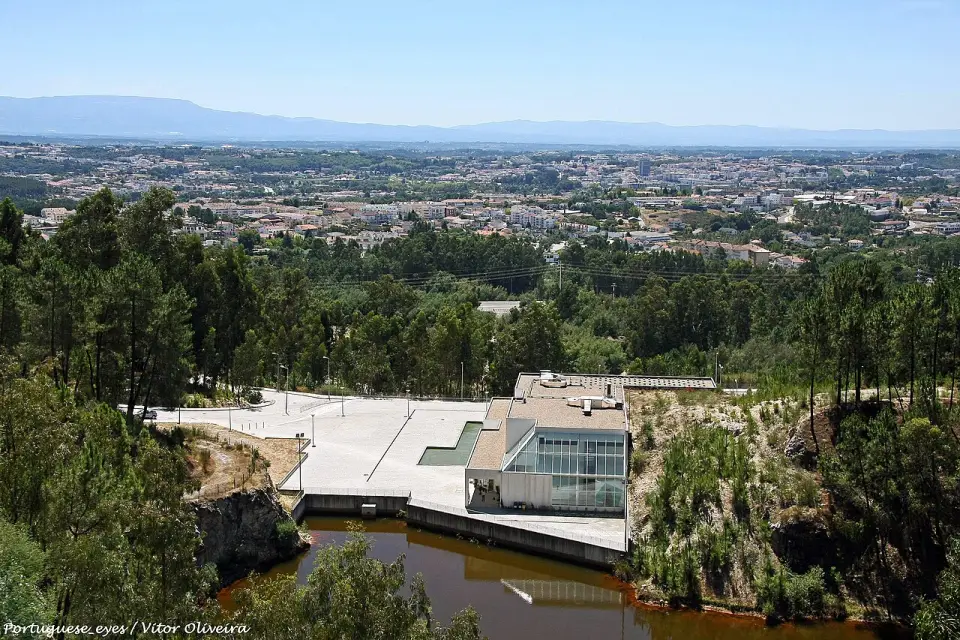
Conceived by the geologist Galopim de Carvalho and built in the crater of the Monte de Santa Luzia quartz quarry, worked from 1961 to 1986: a museum and viewpoint devoted to mineralogy and the Earth's geological history.
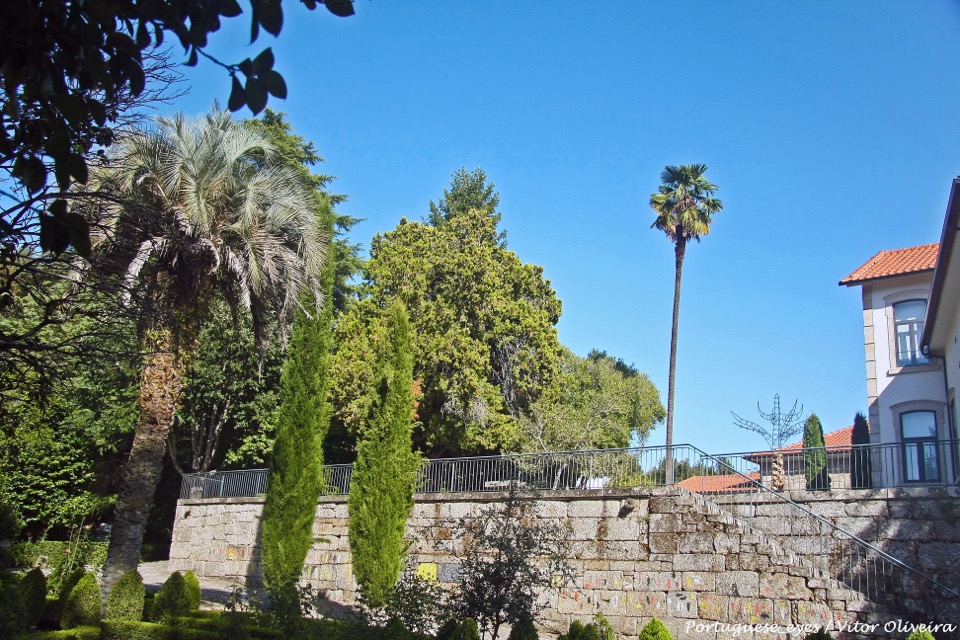
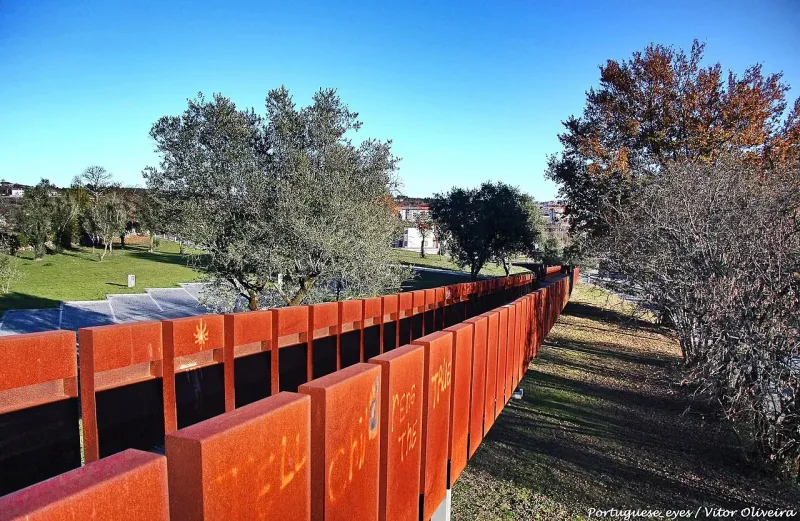
A contemporary art centre on an estate on the river Pavia, acquired in the late 18th century, with 10 hectares of green space.

In a Beira Alta farmhouse: the yard, the pens, the press, the wine cellar, the kitchen with its oven and the loom where the traditional linen cycle comes full circle.
Run by the Passos de Silgueiros association: costume and accessories, the linen cycle, the seamstress and the barber, games and toys, musical instruments and farm tools.
Check closing days and admission conditions before you set off.
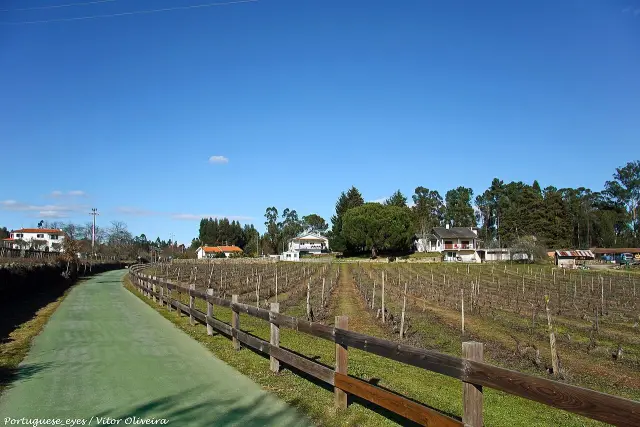
The eight municipal museums open Tuesday to Saturday and close on Sundays, Mondays and public holidays; last entry is 20 minutes before closing. On Sundays the Grão Vasco, the Tesouro da Sé and the Misericórdia are open; on Mondays, the Tesouro da Sé, the Misericórdia and the Silgueiros museum. Otherwise there are the Fontelo, the Cava de Viriato and the Ecopista do Dão.
The eight museums in the municipal network (Almeida Moreira, Quartzo, Quinta da Cruz, Casa da Ribeira, História da Cidade, Keil Amaral, the José Coelho archaeological collection and the Museu do Linho) have free entry all year round. Those on the Adro da Sé, the Grão Vasco, the Tesouro da Sé and the Misericórdia, charge admission.
Residents of Portugal have 52 days of free admission per year to Museu Nacional Grão Vasco, on any opening day. Request admission at the ticket office with your ID; on your first visit, also provide your Portuguese tax number (NIF). Free Sunday mornings ended in August 2024.
The Museu do Linho is in Várzea de Calde, to the north, and the Silgueiros ethnographic museum in the south of the municipality. Silgueiros opens Monday to Friday and only receives visitors at weekends by appointment: call before you go (232 952 001).
Choose the circuit to suit a morning or a full day.
Walking route • about 4h on foot
Car / bus circuit • about 3h
Outside the city • half a day each
See how to reach the museums and which have accessible entrances.
The Museu Nacional Grão Vasco has a lift and access to all public areas for people with reduced mobility. The Museu da Misericórdia has three access platforms. For the others, phone before you go.
The Sé and the Museu Grão Vasco are under 10 minutes' walk from the Rossio (C1 and C2 circuit stop); when it is running, the funicular climbs from the Campo de Viriato to the Adro. For the Museu do Quartzo, some MUV line 15, 16, 18 and 20 services stop at Pascoal, about 1 km away, and you walk the rest; for the Quinta da Cruz, line 2, via São Salvador. Some line 21 services reach Passos de Silgueiros; for Várzea de Calde, you will need a car.
Between museums in the historic centre, try a Viriato pastry on Rua Direita or relax on a terrace in the Rossio.
See where to eat in ViseuIt isn't a museum you can visit. Created in Viseu in 2012 by Rui Macário, it is an art project of "almost true" pieces about the city's history. It has no premises of its own: it lives mostly online and turns up now and then in temporary exhibitions.
See the Museu do Falso websiteFive guides to carry on with the visit.