The city's memory

The history of Viseu

De Viriato à cidade-jardim.

diocese since
6th c.
present cathedral
12th–13th c.
capital of a
district

Timeline

Six eras, one city

2nd century BC · myth and memory

Viriatus and the Beira plateau

Long before it was the «garden city», Viseu was already a place of passage and of resistance. The name of Viriatus — the Lusitanian chief who stood up to Rome — has stayed bound to this territory as a symbol rather than as exact biography.

The ancient sources (Appian, and Livy in later echoes) place the Lusitanian war in the 2nd century BC. Viriatus emerges as a guerrilla strategist: he knew the terrain, avoided pitched battles and forced Rome to negotiate. He was killed around 139 BC, tradition says, by bribed companions.

In Viseu that memory takes physical form in the Cava de Viriato — a vast earth-and-rampart enclosure whose exact origin is still debated (a camp, a medieval structure, or something reinterpreted by 19th-century romanticism). What is not debated: the monument and the statue made Viriatus part of the city's identity. Anyone arriving from outside senses straight away that the city tells a story older than Portugal itself.

  • Lusitanians Pre-Roman peoples of the western peninsula; the Beira Interior was a zone of contact and conflict.
  • Why here? A plateau, natural routes and a position between the Douro and the Mondego — a strategic spot.
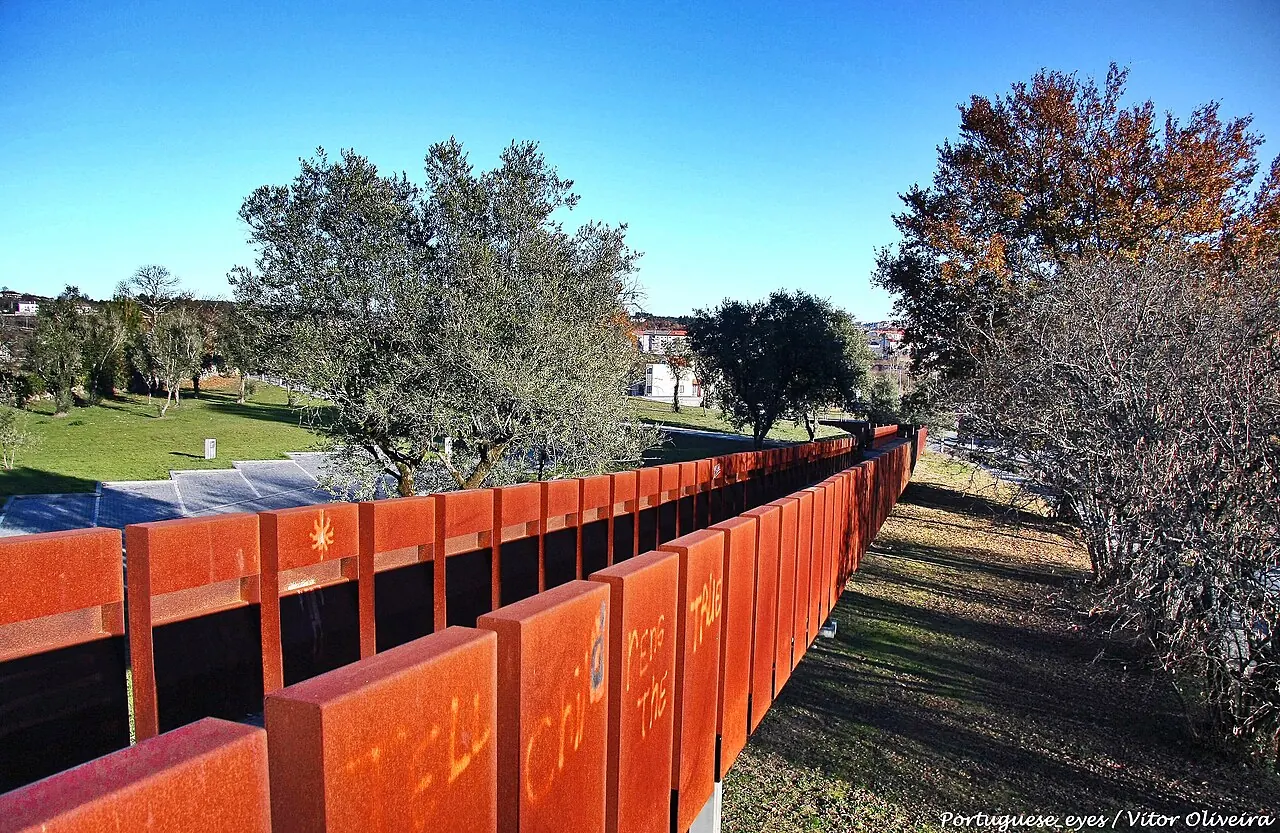
Memory Cava de Viriato: green embankments and a boardwalk on the Viseu plateau
The Cava de Viriato — earth, green and the same plateau the ancient chronicles describe as hard going for legions.
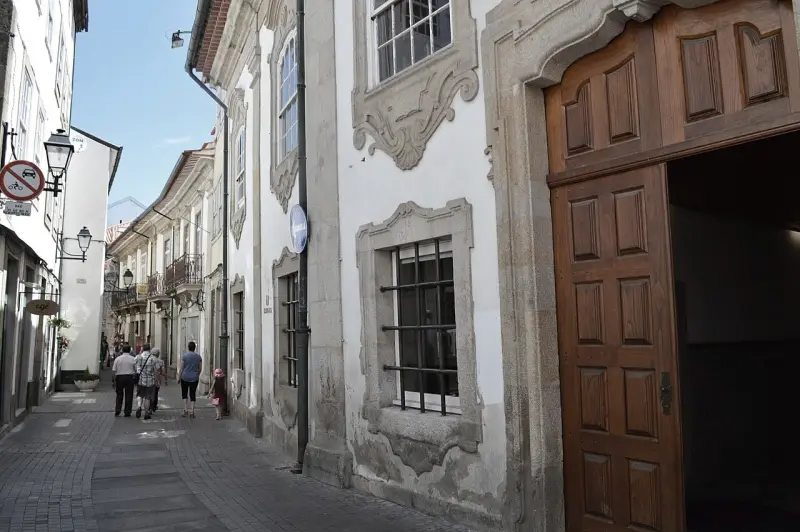
Today Viseu's old town
The old town today: stone, narrow streets and the city's continuity along the same axis.

Roman Empire · roads and settlement

Roman Viseu: a crossroads, not a backwater

Under Rome, the region was part of the provincial administration. There is no «monumental forum» on show for today's visitor, but there are traces of settlement, roads and the logic of a junction between the coast and the interior.

The place name and the continuity of the site point to long occupation. In Late Antiquity and the Early Middle Ages, Christianity organised the territory: Viseu became a diocesan see — one of the most stable facts of its history. Being a bishopric meant archives, symbolic power, links to Braga and Rome, and an urban centre that did not depend on the market alone.

Then come the centuries of struggle between Christian kingdoms and Muslim power in the interior: the Reconquest line moves up and down. Viseu survives as an ecclesiastical and seigneurial centre. By the time Portugal asserts itself as a kingdom (12th century), the city already has a religious and administrative identity that sets it apart from mere waypoint towns.

  • Diocese Episcopal records from the 6th century onwards; diocesan continuity shapes the city's mental map.
  • What remains Little in the way of «tourist» Roman ruins; the legacy is in the location and in the Cathedral, not in an amphitheatre.

12th–18th centuries · granite and faith

The Cathedral: Viseu's granite heart

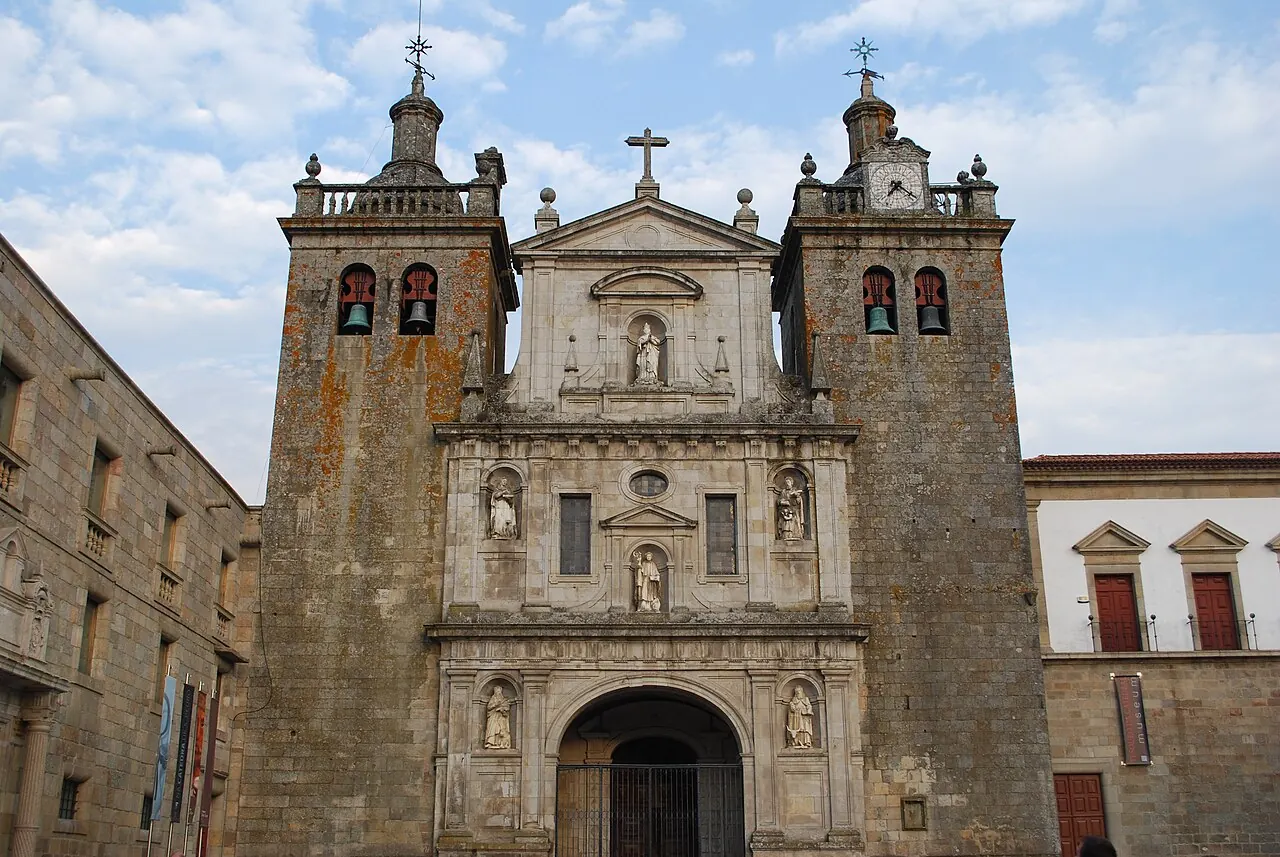
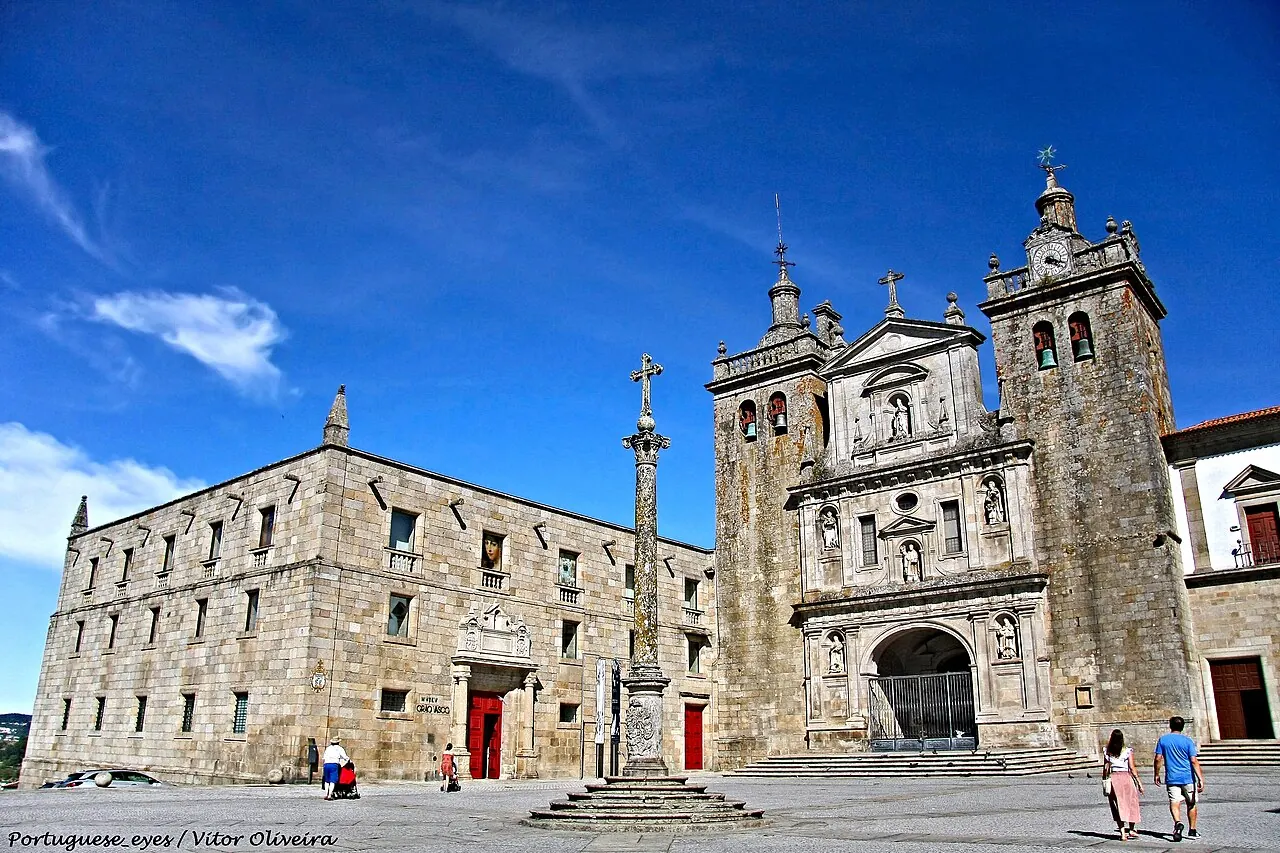
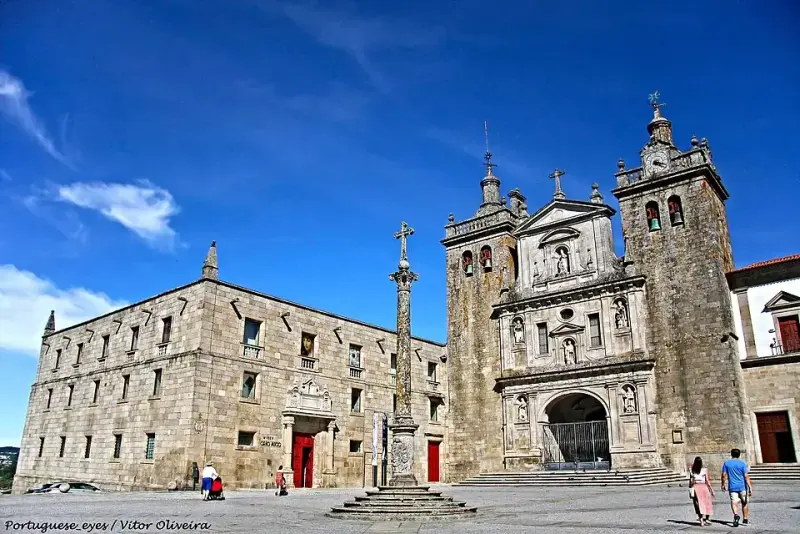
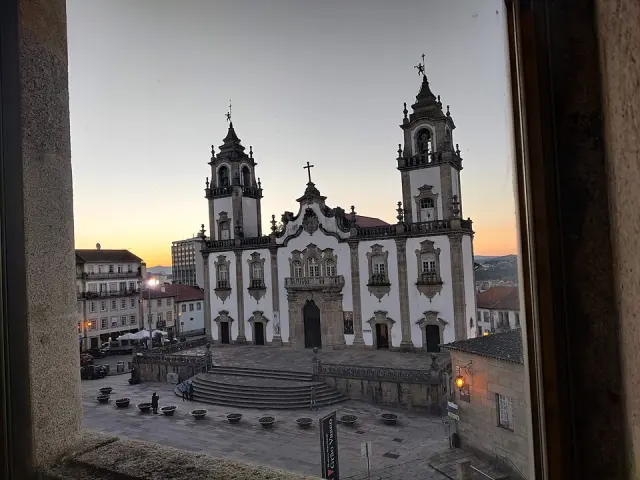
The cathedral you see today brings together several eras: it began Romanesque, grew Gothic, and gained Mannerist and Baroque features. The Largo da Sé remains the central meeting point of the old town.

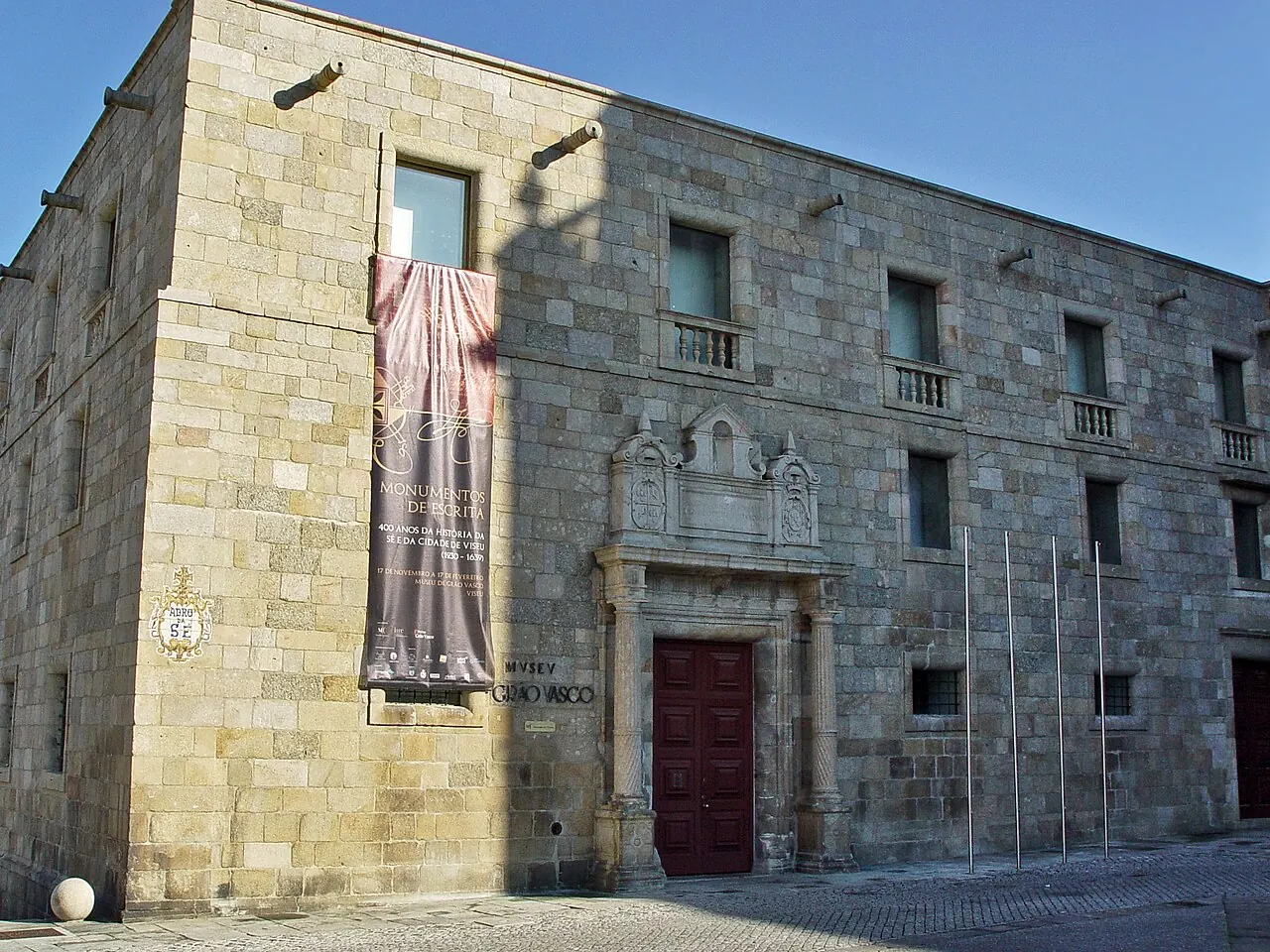
Work on the present cathedral began in the 12th–13th centuries, as the kingdom and the diocese were asserting themselves. Beira granite imposes a sober aesthetic: towers, a cloister, an interior of cold stone and filtered light. Next door, the former bishop's palace would later house the museum — Church and culture sharing the same block.

The Misericórdia Church, facing the Cathedral, completes the square's Baroque–Mannerist dialogue: white and blue against dark granite. Power, trade and processions all converged on the Adro and the surrounding streets. Rua Direita and the medieval fabric linked the Cathedral heights to the Rossio — still the most obvious walk for a visitor today.

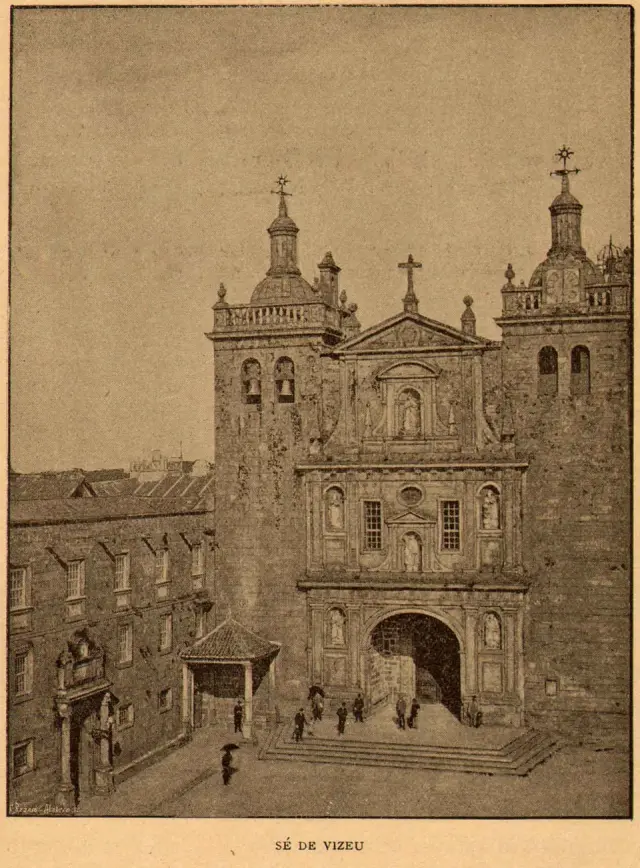
Nineteenth-century engravings and early twentieth-century postcards show the same tower profile that arrivals recognise now: the silhouette has barely changed; the traffic, the lighting and the tourism have.

  • Cloister One of the calmest spaces in the city — stone, shade and the rhythm of time.
  • Largo da Sé Cathedral + Misericórdia + museum: the essential triangle of any short itinerary.
Historical engraving of Viseu Cathedral Main façade of Viseu Cathedral, a contemporary head-on photograph Then Now

Drag to compare the historical engraving with the Cathedral today.

15th–16th centuries · the Renaissance in Portuguese

Grão Vasco: when Viseu painted for Europe

Vasco Fernandes — Grão Vasco — turned Viseu into a hub of Renaissance painting. The altarpieces that left here converse with Flanders and Italy, but speak Portuguese: faces, light, biblical narrative and an almost obsessive eye for detail.

Active above all in the first half of the 16th century, Grão Vasco worked for the Cathedral and for other churches in the region. His workshop and associated artists placed Viseu at the centre of Portuguese Renaissance painting. The Grão Vasco National Museum, in the former bishop's palace, holds the master's main collection — one of Portugal's richest collections of early art.

Next to the Cathedral, the museum shows how the city experienced the Renaissance beyond religious architecture, becoming a hub of artistic creation.

  • Where to see it Grão Vasco National Museum — start with the Cathedral panels and the works attributed to the master.
  • Context Sixteenth-century Portugal: maritime expansion, wealth and religious commissions inland.
Heritage The Grão Vasco National Museum in Viseu
The palace that was episcopal power — today it houses the collection that took Viseu international.
Square Largo da Sé in Viseu
The same square: faith, art and city life in a single block.

18th–20th centuries · from bishopric to district capital

Growth, fairs and the idea of a «city»

Between the Ancien Régime and the Republic, Viseu settled into its role as district capital, inland trading centre and host of the Feira de São Mateus — one of the longest-running historic fairs in Portugal.

The 19th century brought liberal administration, new roads, schools and a local bourgeoisie investing in buildings, gardens and social life. The Rossio gained weight as civic space; the medieval walls and gates (such as the memory of the Porta do Soar and Porta dos Cavaleiros) mark the old perimeter as the city spread outwards.

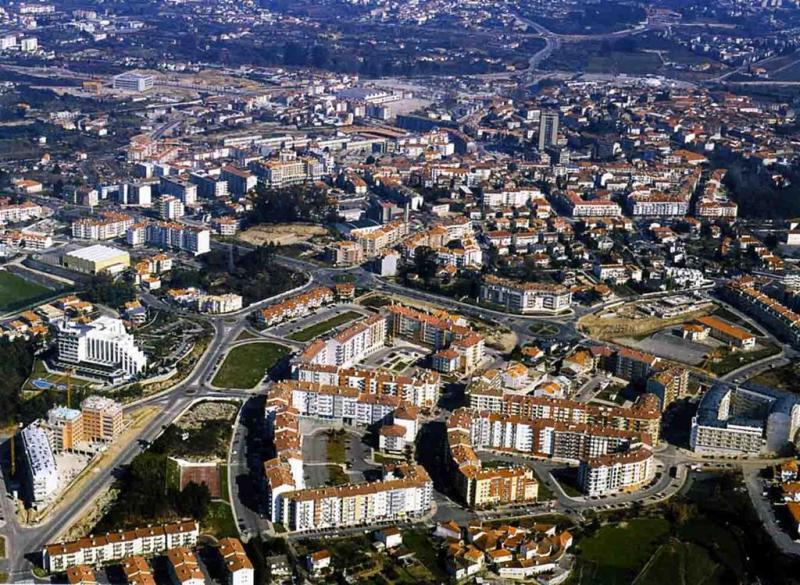
In the 20th century Viseu industrialised on a regional scale, gained public facilities and built its image as an orderly, green city. The designation «garden city» reflects decades of investment in parks, woodlands and green avenues, notably in Fontelo and Parque Aquilino Ribeiro.

The Feira de São Mateus, with deep roots in the religious and commercial calendar, became the great annual moment: trade, spectacle, food and collective identity. In September the city changes pace — and that, too, is living history.

  • São Mateus A historic fair; it still reshapes Viseu's social calendar today.
  • District Administrative capital of the Beira Interior Norte — hospitals, courts, schools, services.

21st century · living and visiting

Viseu now: granite, green and a human pace

The contemporary city balances a pedestrian old town, district-capital services and a quality of life that explains its informal title of «best city to live in». For the visitor, that translates into short distances and a story you can read on foot.

In a few hours on foot, you can walk through centuries of history between the Cava de Viriato, the Cathedral, the Grão Vasco Museum, the Rossio and Fontelo. The past is felt in the street layout, the worn stone and daily life around the old town.

The current challenge is that of so many mid-sized European cities: attracting talent and tourism without erasing the human scale. Viseu answers with dense heritage in a small perimeter — exactly what a one-day traveller needs.

After reading

Sair à rua

A synthesis written for travellers. Images: Wikimedia Commons. For academic research, consult diocesan sources, the Grão Vasco Museum and the local bibliography.